Kerala: The Land of Timeless Beauty and Cultural Harmony
Overview
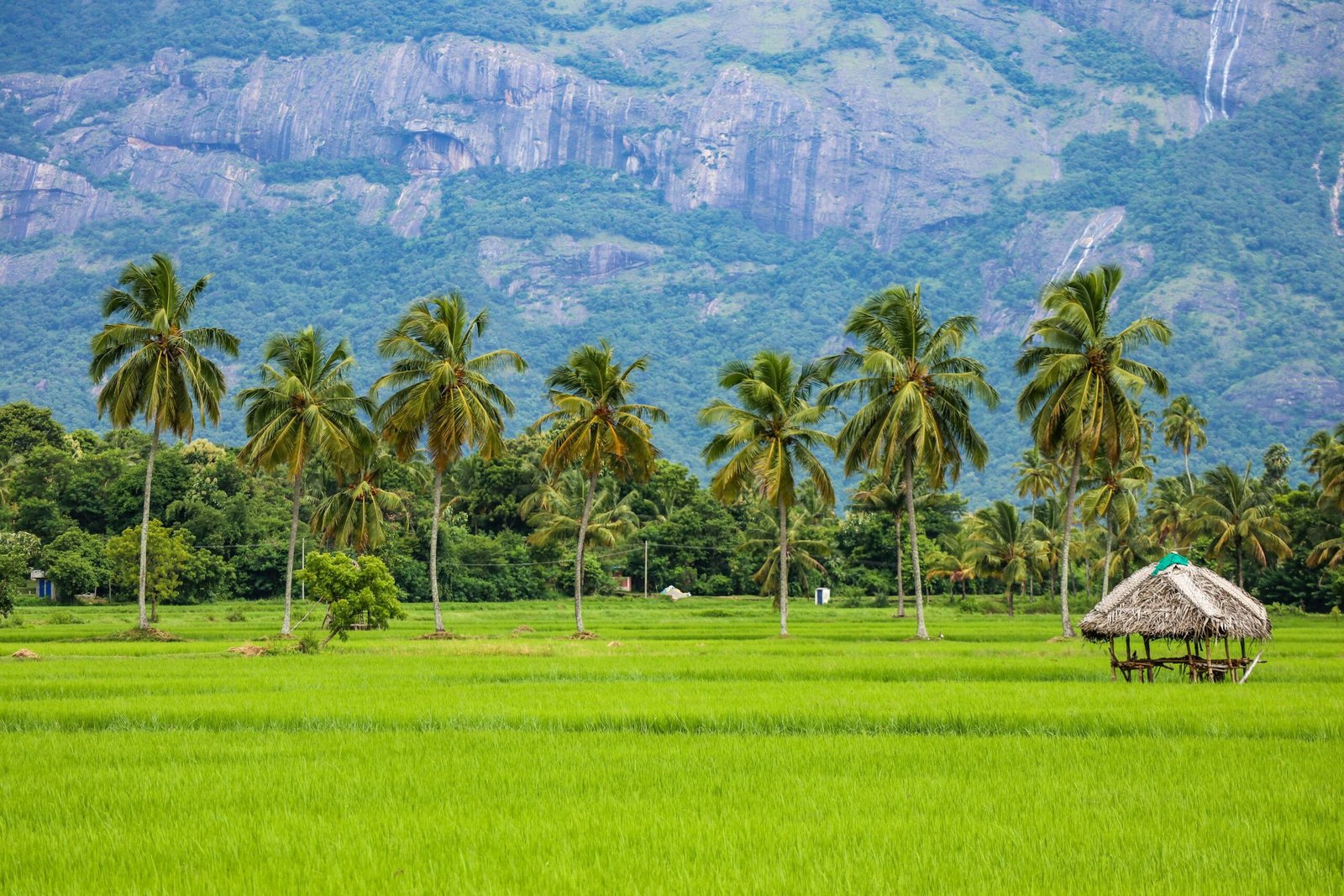
Kerala, often described as “God’s Own Country,” is a place where nature, culture, and history exist in harmony. Indeed, it stands out for its unique identity. Located along the southwestern coast of India, the state offers serene backwaters, lush forests, rolling hills, and golden beaches. Moreover, its rich cultural heritage adds to its global appeal.
In addition, Kerala blends tradition with modern progress. It combines natural beauty with warm hospitality. Bordered by the Arabian Sea on the west and the Western Ghats on the east, the state enjoys rich biodiversity. As a result, it has a pleasant climate throughout the year.
Kerala also leads in social development. For example, it has high literacy and strong healthcare systems. Therefore, it is known as one of India’s most progressive and welcoming regions.
Geographical Beauty and Natural Wonders
Kerala’s landscapes are highly diverse. For instance, within a short journey, one can see mountains, forests, lakes, and beaches.
The Western Ghats
The Western Ghats form a UNESCO World Heritage Site. Here, hill stations like Munnar, Wayanad, Thekkady, and Ponmudi attract visitors. In particular, these places offer wildlife, tea gardens, and spice plantations.
The Coastline
Kerala’s coastline features some of India’s finest beaches. Popular spots include Kovalam, Varkala, Bekal, Cherai, and Kozhikode. These beaches, in fact, are famous for palm-lined shores and scenic views. Additionally, visitors can relax or enjoy water sports.
The Backwaters
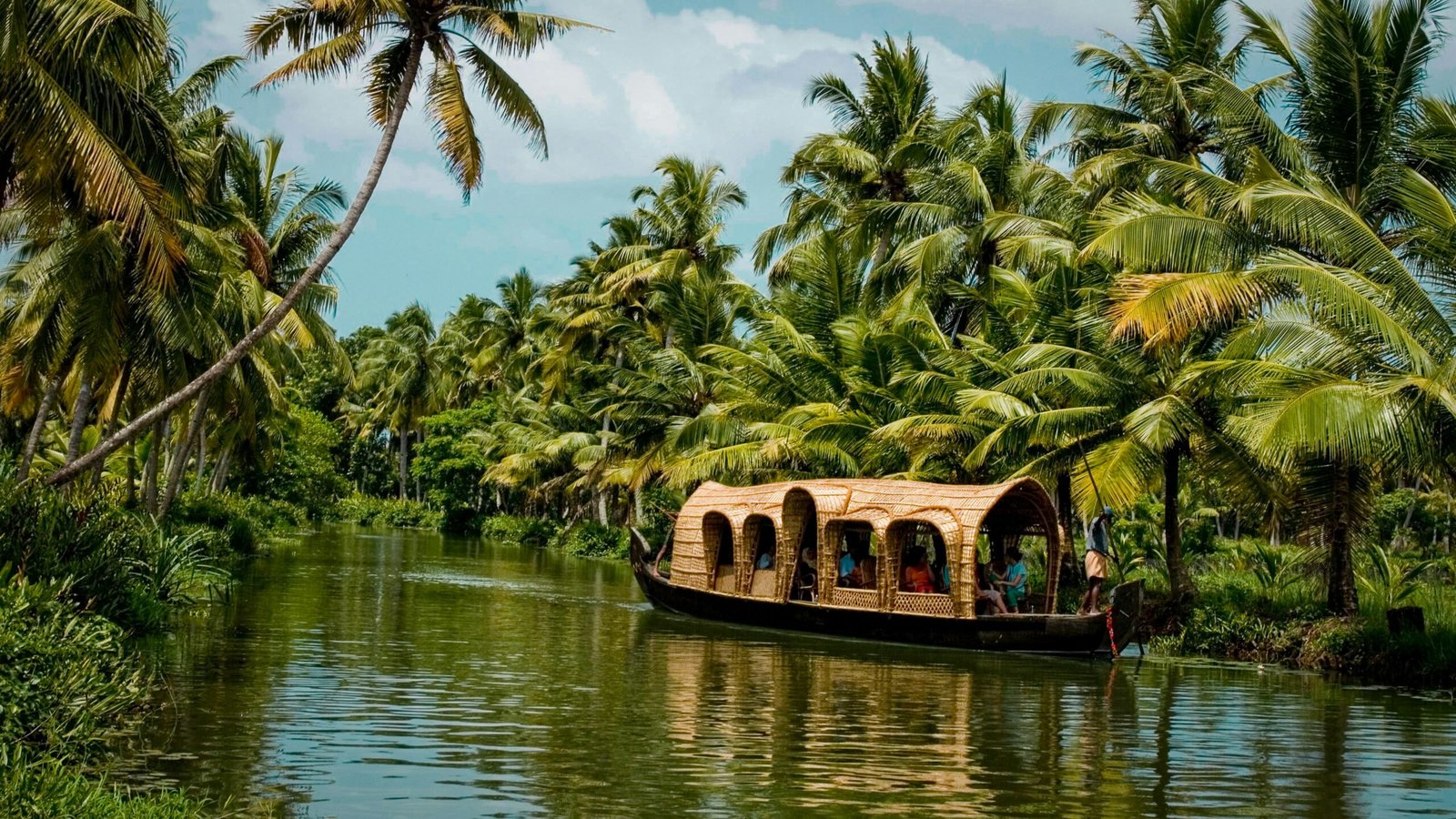
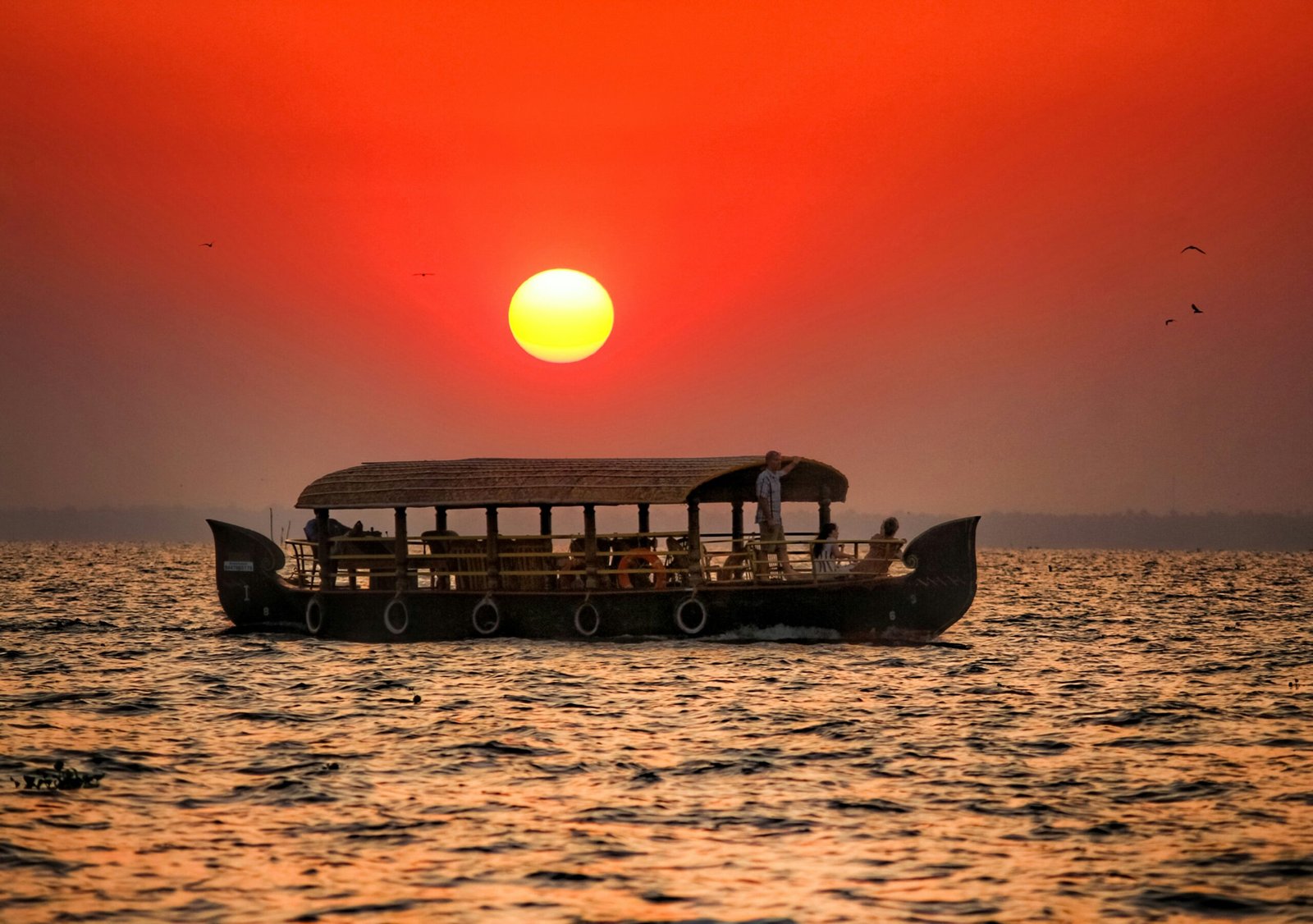
The backwaters are Kerala’s most iconic feature. Specifically, places like Alappuzha, Kumarakom, Kuttanad, and Kollam offer peaceful waterways. Here, houseboats and village life create a unique experience.
Wildlife Sanctuaries
Kerala protects its biodiversity through many reserves. For example, Periyar Tiger Reserve, Eravikulam National Park, and Silent Valley support rare species. Thus, they play a key role in conservation.
Cultural Richness and Heritage
Kerala’s culture reflects both tradition and global influence. Historically, trade connections shaped its identity.
Classical Art Forms
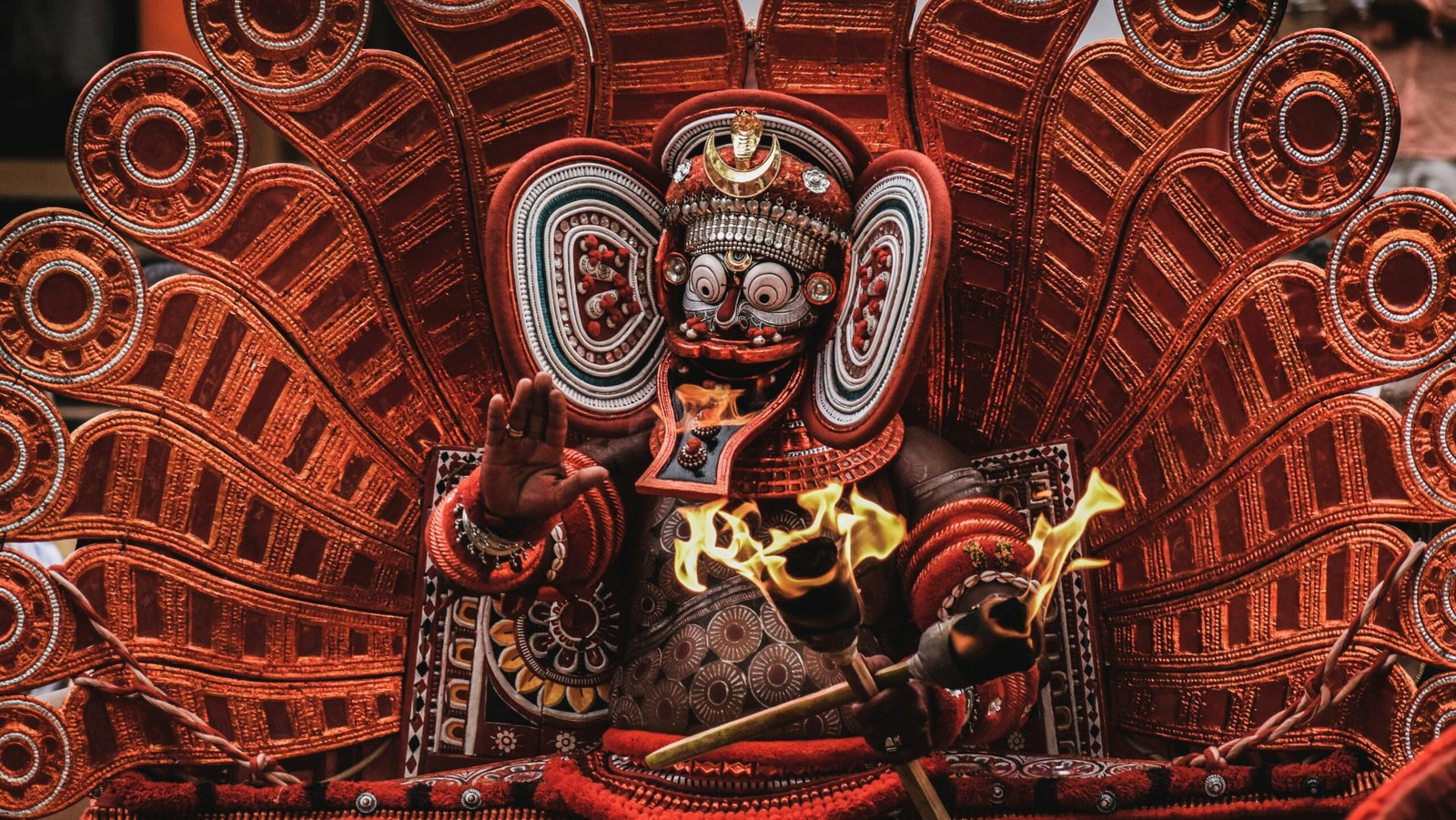
Kerala is the birthplace of many classical arts. For instance, Kathakali, Mohiniyattam, Koodiyattam, and Theyyam are widely known. These art forms, in turn, express mythology and spirituality.
Vibrant Festivals
Festivals are a major part of life in Kerala. Most notably, Onam celebrates the harvest season. During this time, people create floral designs and enjoy boat races. Similarly, temple festivals feature elephants and traditional music.
Historical Legacy
Kerala has a rich historical background. For example, Bekal Fort, Mattancherry Palace, and Padmanabhapuram Palace reflect global connections. Over time, traders from Rome, Arabia, China, and Europe influenced the region.
Kerala | Spiritual Journey | Religion
Kerala Tourism – Key Attractions
Tourism plays a central role in Kerala’s economy. Importantly, the state focuses on sustainable and responsible tourism.
- Houseboat Tourism: Visitors can stay on houseboats in the backwaters. This way, they experience peaceful village life.
- Ayurveda and Wellness: Kerala is the birthplace of Ayurveda. Therefore, many tourists visit for healing therapies.
- Ecotourism: Activities like bamboo rafting and jungle camping promote conservation. At the same time, they support local communities.
- Culinary Diversity: Kerala’s food is rich in spices. For example, dishes like Appam, Sadya, and Malabar Biriyani are popular.
- Homestays: Visitors can stay with local families. As a result, they experience genuine hospitality.
The Significance of Kerala Tourism
Tourism is more than travel. In fact, it plays a major role in the state’s growth.
- Economic Impact: It creates jobs and supports local industries. For instance, handicrafts and agriculture benefit greatly.
- Social and Cultural Impact: It preserves traditions and promotes cultural exchange. Thus, communities gain pride in their heritage.
- Environmental Impact: It encourages eco-friendly travel. Consequently, forests and ecosystems receive better protection.
Frequently Asked Questions (FAQ)
1. Why is Kerala called “God’s Own Country”?
Essentially, this title highlights its natural beauty. The landscapes feel almost divine.
Geographical Importance of Wayanad: The Ecological Heart of Kerala – Vayatri
2. What are Kerala’s key social indicators?
Kerala leads India in literacy and social development. For example, it has a literacy rate of about 94%.
3. What food should I try in Kerala?
Definitely, try Kerala Sadya, Appam with stew, Malabar Parotta, and seafood like Karimeen.
4. Is Kerala safe for tourists?
Yes, Kerala is one of the safest states in India. Moreover, locals are known for their helpful nature.
5. How can I experience the backwaters?
Most commonly, visitors hire a houseboat in Alleppey or Kumarakom. This allows them to enjoy a relaxing cruise.