
Muthanga Wildlife Sanctuary: The Wilderness of Wayanad
Overview
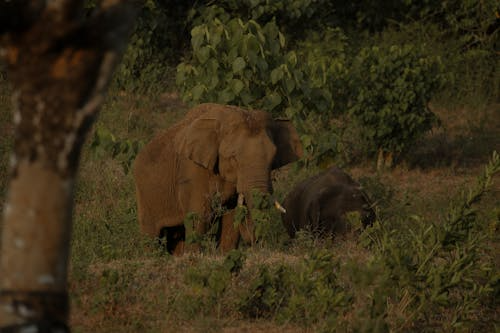
Muthanga Wildlife Sanctuary is one of Wayanad’s most important wildlife reserves, and it forms a key part of the Nilgiri Biosphere Reserve. The Kerala Forest Department manages this 345 sq. km sanctuary, and it protects a rich mix of forests, grasslands, and wildlife corridors. As a result, the area supports a wide range of species, including elephants, tigers, leopards, gaur, deer, and hundreds of bird species.
In addition, Muthanga attracts nature lovers and photographers because it offers frequent elephant sightings, scenic landscapes, and well-regulated safari experiences.
Key Highlights
Rich Wildlife Habitat
Muthanga supports large populations of wild elephants, and it also shelters tigers, leopards, Indian bison (gaur), sambar deer, wild boar, and langurs. Moreover, it records over 250 bird species, which makes it a strong birdwatching destination.
Safari Experience
The Forest Department operates jeep safaris, and these safaris take visitors safely into core forest zones. As a result, travelers can explore grasslands, bamboo forests, and waterholes without disturbing wildlife.
Scenic Landscapes
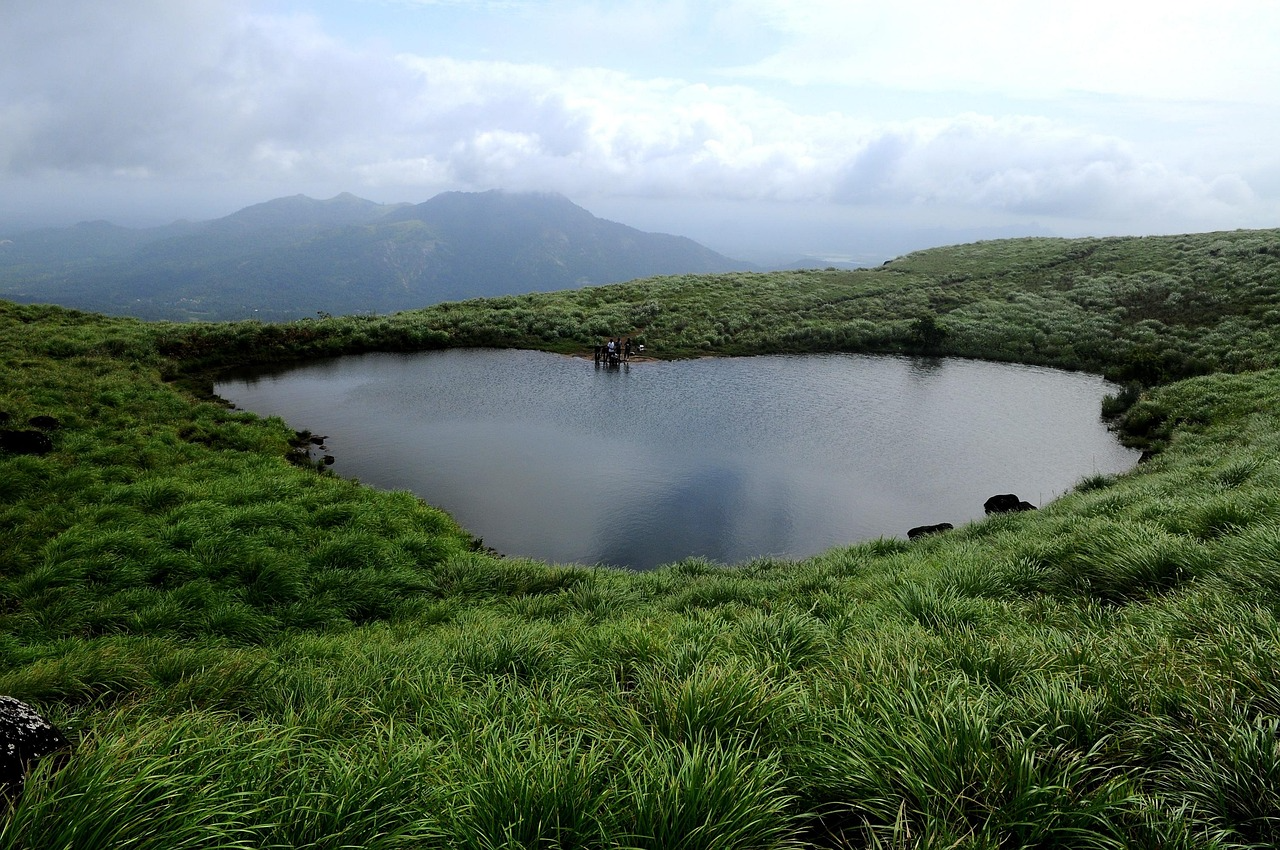
Rolling hills, open meadows, and forest streams define the sanctuary’s terrain. In addition, seasonal changes transform the scenery, especially during and after the monsoon.
Birdwatching Opportunities
The sanctuary attracts both resident and migratory birds. Therefore, it offers excellent opportunities for ornithologists and photography enthusiasts.
Location & Connectivity
- Location: Muthanga, Wayanad District, Kerala
- Distance: 14 km from Sultan Bathery, 40 km from Kalpetta, 109 km from Kozhikode
The sanctuary connects well by road. Therefore, visitors can easily reach it by taxi, bus, or private vehicle from major towns in Wayanad.
- Nearest Railway Station: Kozhikode Railway Station (~111 km)
- Nearest Airport: Calicut International Airport (~110 km)
https://maps.app.goo.gl/AJwbqqeH9NbHLuAN8
Planning Your Visit
The best time to visit falls between October and May, since the weather stays pleasant and wildlife sightings increase. However, during the monsoon season (June–September), the forest becomes very lush, even though movement inside the sanctuary may become limited due to slippery trails.
Traveler Tips
Since the sanctuary follows strict forest regulations, visitors must follow official instructions at all times.
- First, book safari tickets at the entry point early, especially during peak seasons.
- Next, choose morning (6:00 AM–10:00 AM) or evening (3:00 PM–6:00 PM) safaris for better wildlife activity.
- Additionally, wear neutral-colored, comfortable clothing to blend with the environment.
- Also, carry binoculars and a camera, since mobile signals remain weak inside the forest.
- Finally, avoid noise and sudden movements to prevent disturbing wildlife.
Nearby Attractions
- Sultan Bathery – A historic town known for its Jain temple heritage
- Jain Temple, Sultan Bathery: A Timeless Stone Marvel of Wayanad
- Ponkuzhi Temple – A mythologically important temple linked to Sita, Lava, and Kusha
Frequently Asked Questions (FAQ)
1. Is Muthanga part of Wayanad Wildlife Sanctuary?
Yes. Muthanga forms one of the two main sections of the Wayanad Wildlife Sanctuary, while the other is Tholpetty.
2. Do tourists often see tigers here?
Tiger sightings do occur, but they remain rare. However, elephants appear frequently during safaris.
3. Do I need advance booking for safaris?
You cannot fully pre-book online in most cases. Instead, you must purchase tickets at the Forest Department counter, so arriving early helps.
4. Can I drive my own vehicle inside?
No. The Forest Department allows only authorized jeep safaris inside the sanctuary to ensure safety and conservation.
5. How far is Muthanga from Sultan Bathery?
It lies very close—about 14 km—so it takes a short drive to reach the sanctuary.