Valliyoorkavu Bhagavathi Temple Festival: Wayanad’s Iconic Tribal Ulsavam
Introduction
Valliyoorkavu Bhagavathi Temple Ulsavam is one of the most vibrant festivals in Wayanad. It celebrates devotion, tradition, and the powerful presence of Goddess Bhagavathi. The Valliyoorkavu Temple is an ancient shrine with a history of over three centuries.
The festival takes place in the Malayalam month of Meenam, usually in March or April. It lasts for fourteen days and attracts thousands of devotees. People travel from across Wayanad and nearby districts to attend. For locals, Valliyoorkavu is more than a temple. It represents their identity, history, and emotional bond with the land.
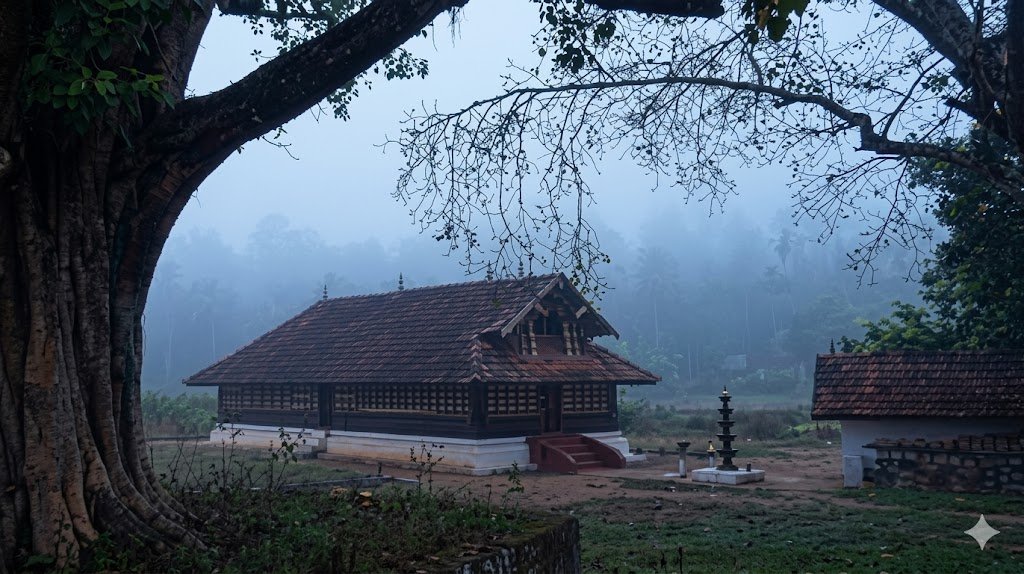
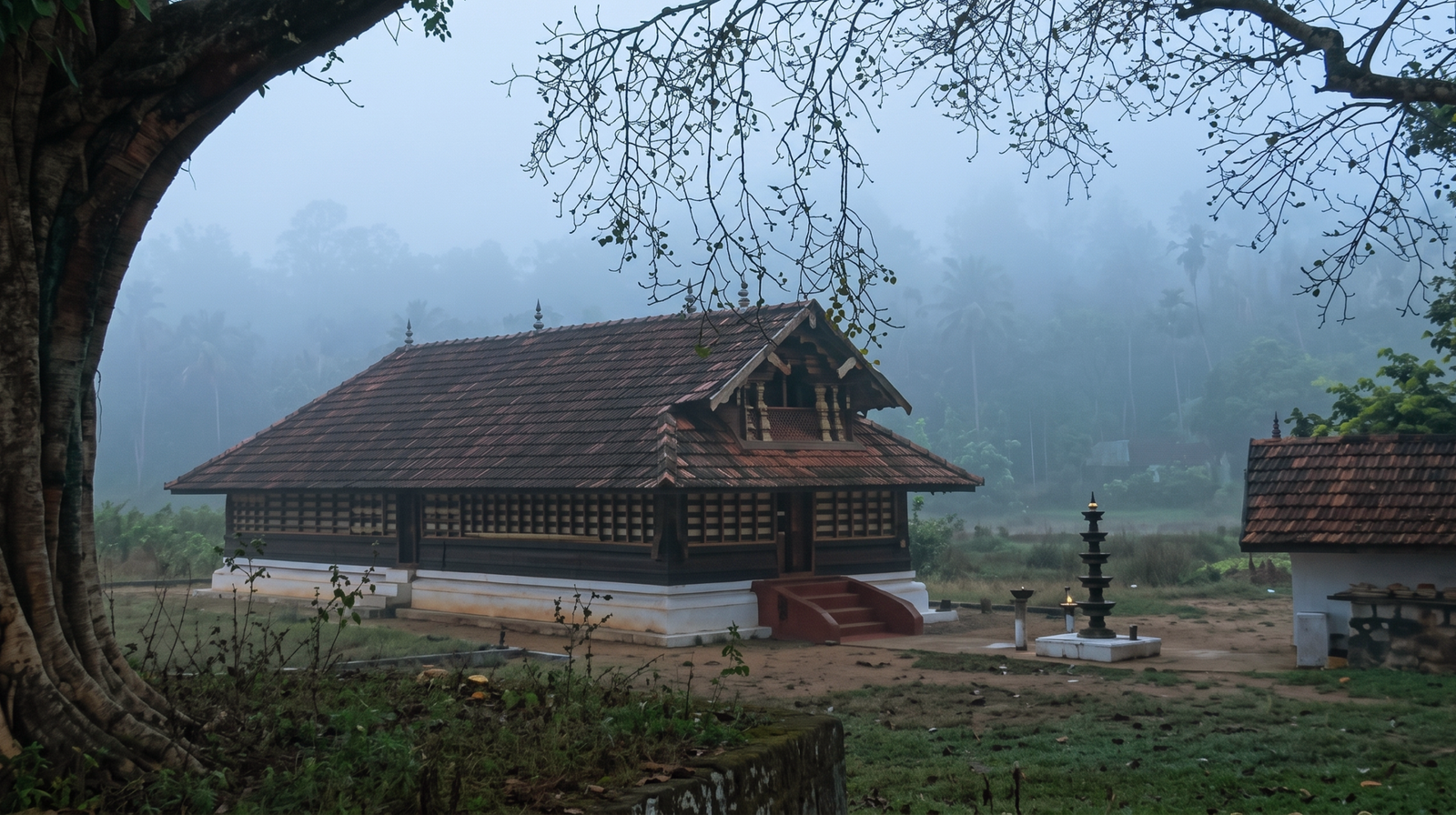
Valliyoorkkavu Bhagavathy Temple | Temples in Wayanad | Kerala Temple Architecture
History and Cultural Roots
The festival has strong links to the tribal communities of Wayanad. The Kurichiya and Kuruma tribes play a key role in preserving its traditions. They have passed down their customs and rituals through generations.
Local legends describe Goddess Bhagavathi as the protector of the hills and forests. People also believe she guards the lives of those in the region. The temple stands as a symbol of strength and divine power. The festival reflects her victory over evil forces. Through rituals, people celebrate the triumph of good over evil.
Festival Atmosphere
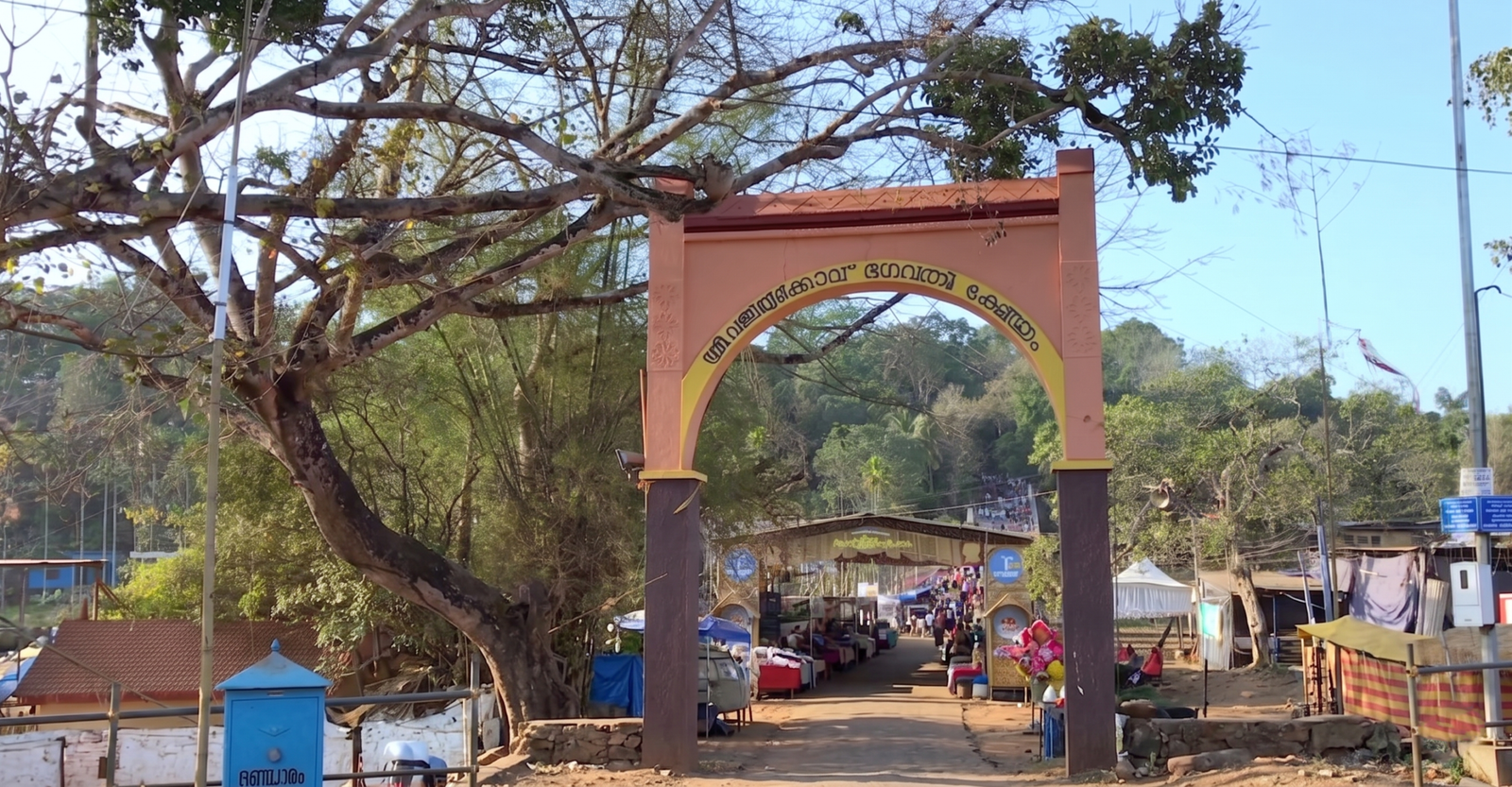
During the festival, the temple area fills with color, sound, and energy. Large crowds gather to watch rituals and cultural events. The celebrations continue throughout the day and night.
The grand procession is a major highlight. Devotees carry the idol of the goddess on a decorated chariot. Traditional instruments like chenda and kombu create a powerful rhythm. Tribal instruments add to the unique sound. The hills echo with songs, prayers, and festive beats.
Tribal Participation and Performances
Tribal communities form the heart of this festival. They perform traditional dances with great passion and skill. Popular forms include Kolkali, Nadan Paattu, and Valayar Paattu.
Performers wear colorful costumes and natural ornaments. Their movements tell stories of their ancestors and their bond with the goddess. Visitors get a rare chance to witness living tribal heritage. These performances help preserve traditions that are centuries old.
Social and Festive Environment
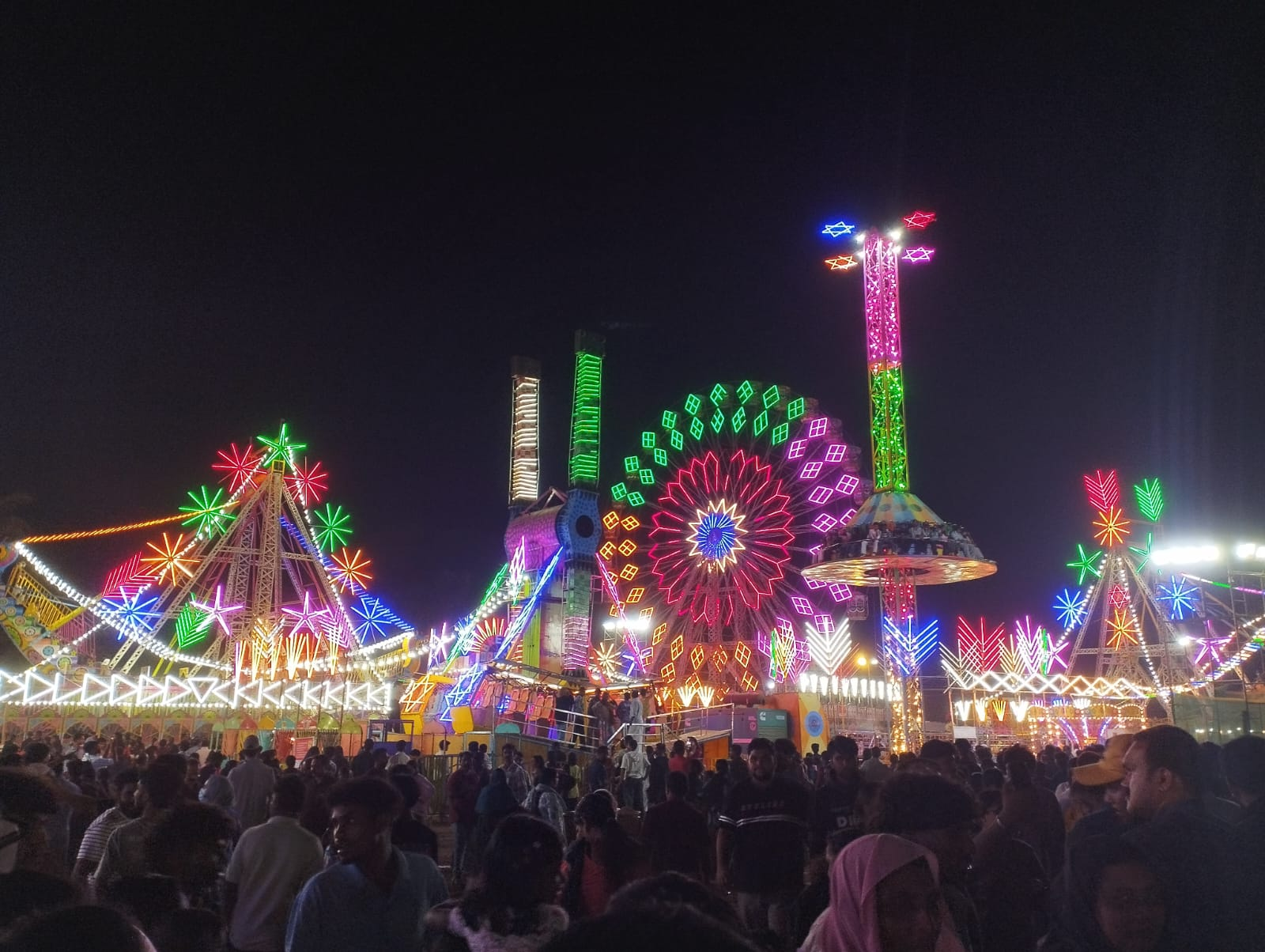
The temple grounds turn into a lively fair during the ulsavam. Stalls sell local food, small items, and handicrafts. Cultural programs add to the festive mood.
Families visit in groups to seek blessings from Valliyoorkavu Amma. Many believe the goddess brings protection, peace, and prosperity. Evenings feel especially vibrant. Lamps light up the temple, and devotional songs fill the air. The large crowd creates a strong sense of unity and celebration.
Tourism and Nearby Attractions
The festival also boosts tourism in Wayanad. Many visitors explore nearby attractions during their trip. Popular places include Thirunelli Temple, Pazhassi Tomb, Karlad Lake, Kuruva Island, and Banasura Sagar Dam.
The festival helps visitors understand Wayanad’s cultural depth. It shows that the region offers more than scenic beauty. Traditions, rituals, and tribal heritage add to its charm.
Conclusion
Valliyoorkavu Bhagavathi Temple Ulsavam captures the true spirit of Wayanad. It brings together devotion, heritage, and community. The festival reflects the strong cultural identity of the region.
For locals, it continues a long-standing tradition. For visitors, it offers a meaningful cultural experience. Valliyoorkavu is not just a festival to watch. It is an experience to feel and remember.
Frequently Asked Questions (FAQ)
1. When is the Valliyoorkavu Festival celebrated?
The festival takes place every year during the Malayalam month of Meenam, which typically falls in March and April. It is a 14-day long celebration.
2. Is the festival open to tourists?
Yes, the festival is open to everyone. It is a fantastic opportunity for tourists to witness the authentic tribal heritage and folk arts of Wayanad.
3. What is the significance of the tribal participation?
The temple was historically a central gathering place for Wayanad’s tribes. Their participation through dance and music is not just a performance but a vital part of the temple’s centuries-old ritual structure.
4. Are there any specific rituals for the Goddess?
The Goddess is worshipped in three forms at this temple: Vana Durga, Bhadrakali, and Jala Durga. The rituals during the ulsavam are specifically designed to honor these various aspects of her power.
5. How far is the temple from the Mananthavady town center?
The temple is very close to the town, located approximately 3 km away, making it easily accessible by a short auto-rickshaw or taxi ride.